3.4 – On Palettes

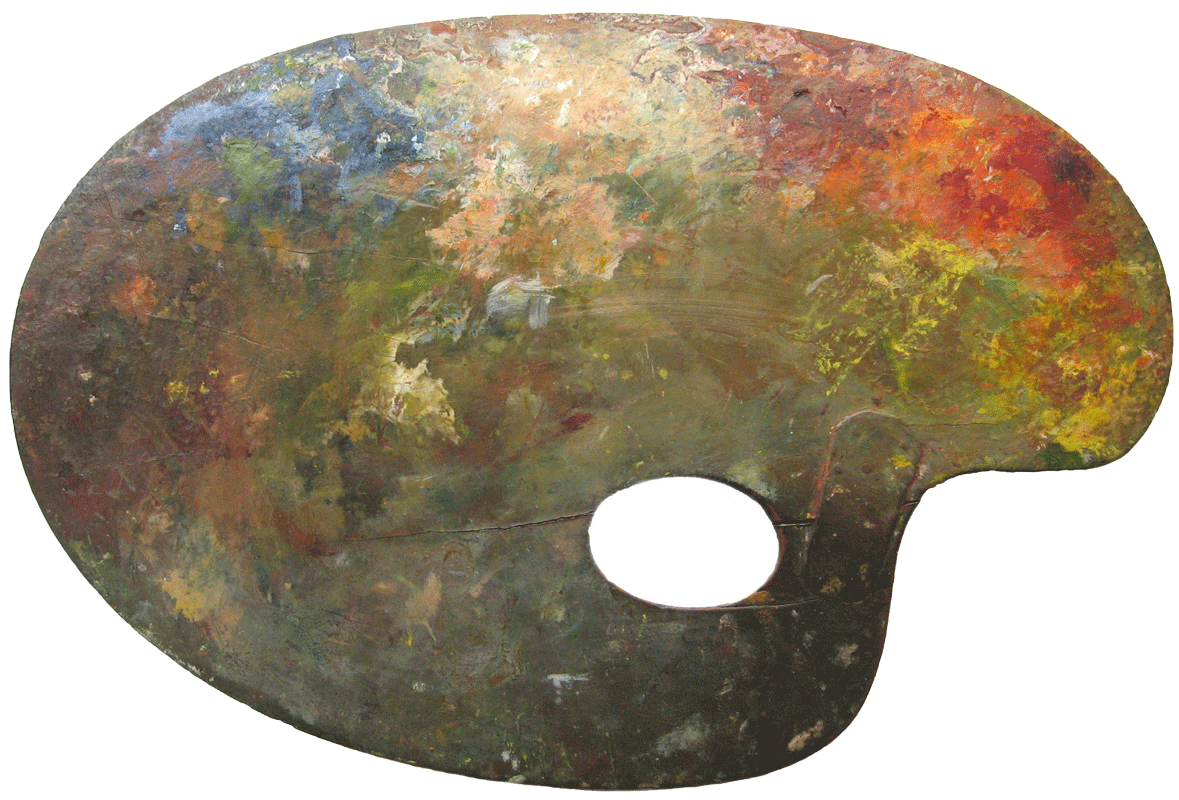
Choosing colors for the palette all hinges on what you're planning to paint – a selection of paints that makes sense for one subject won't necessari…

3.3 – On Mixing Color

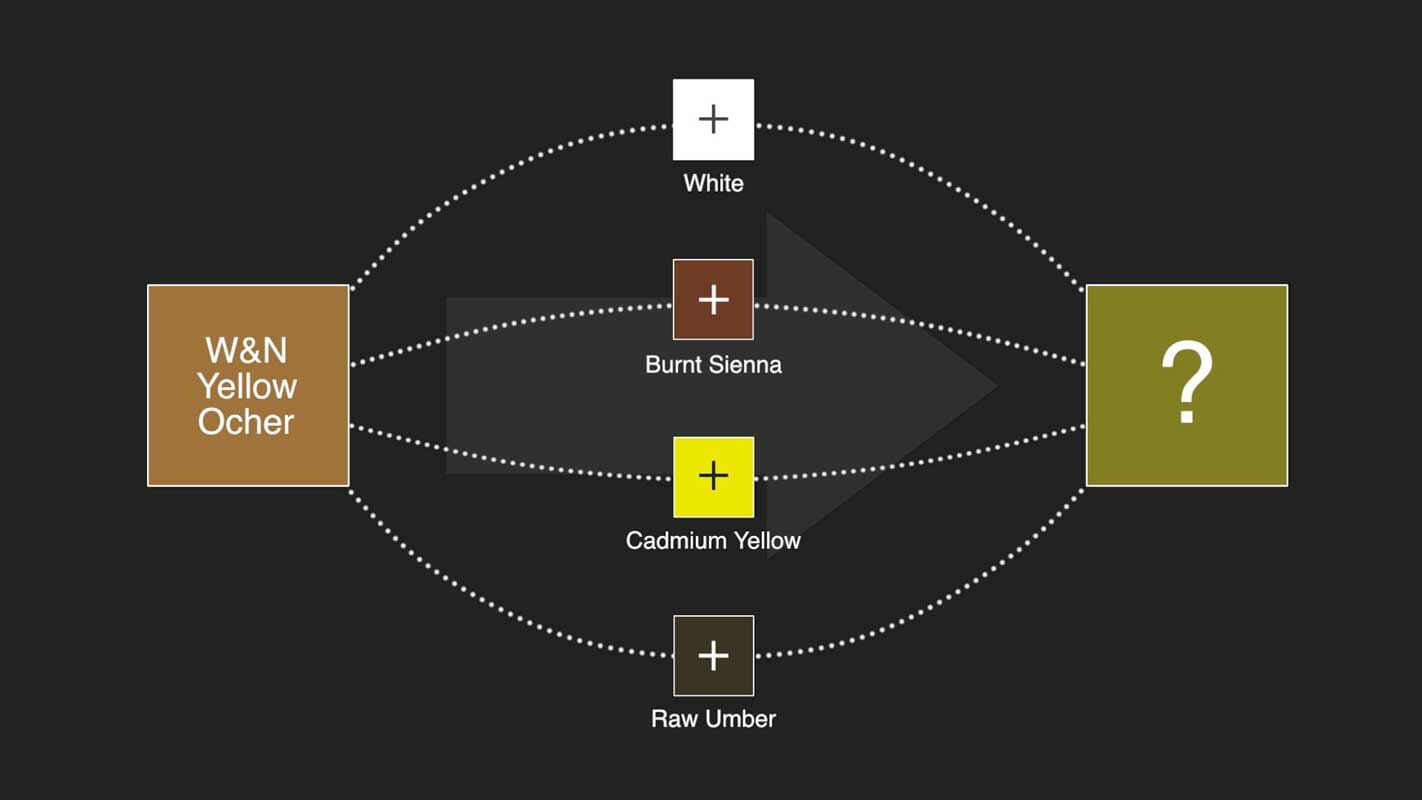
We should think of mixing color as a kind of navigation through color space. Different paints will chart different "routes" to the "destination".

3.2 – Color Space

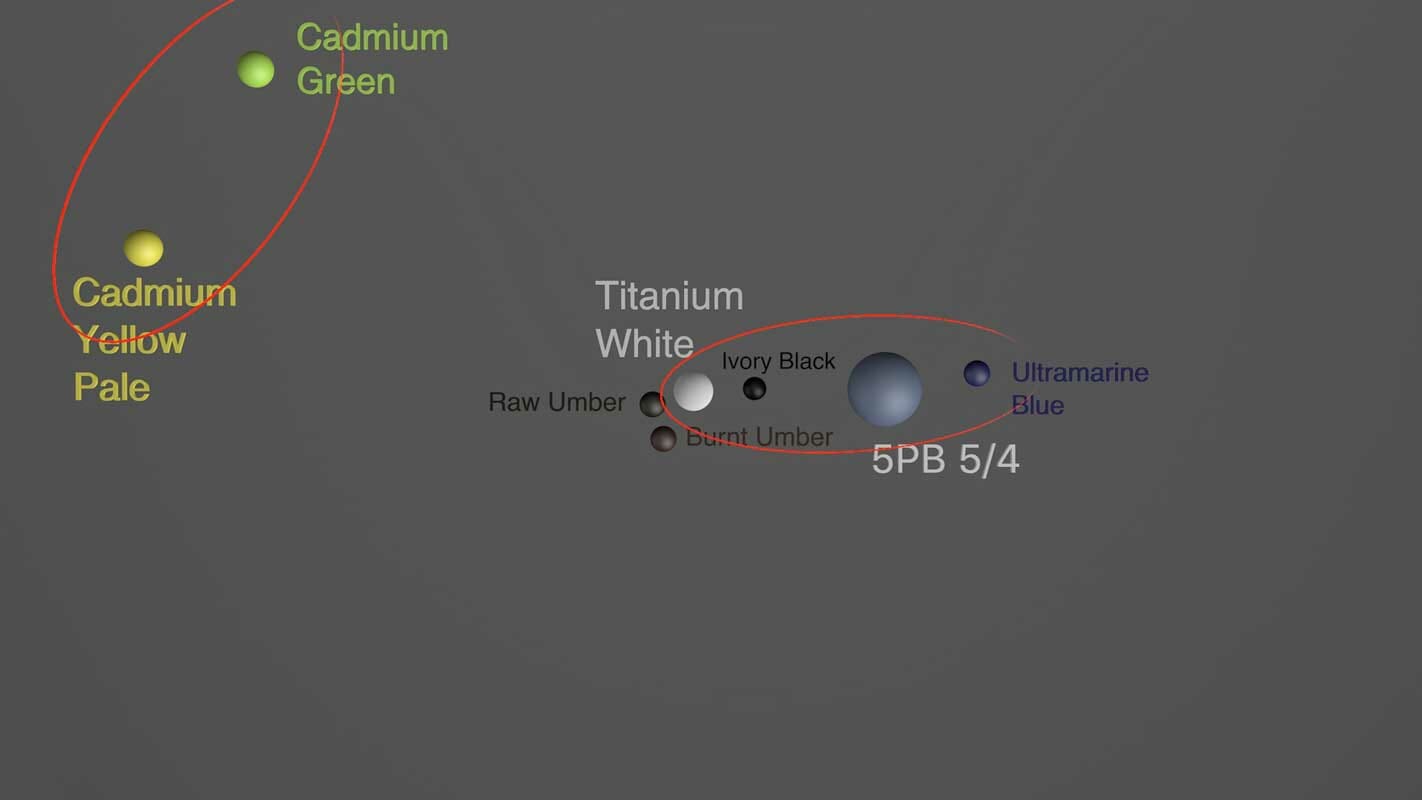
Part of what makes the Munsell System useful for painting is that expressing color with 3 variables results in a color model that is 3-dimensional –…

2.2 – Painting Technique Overview

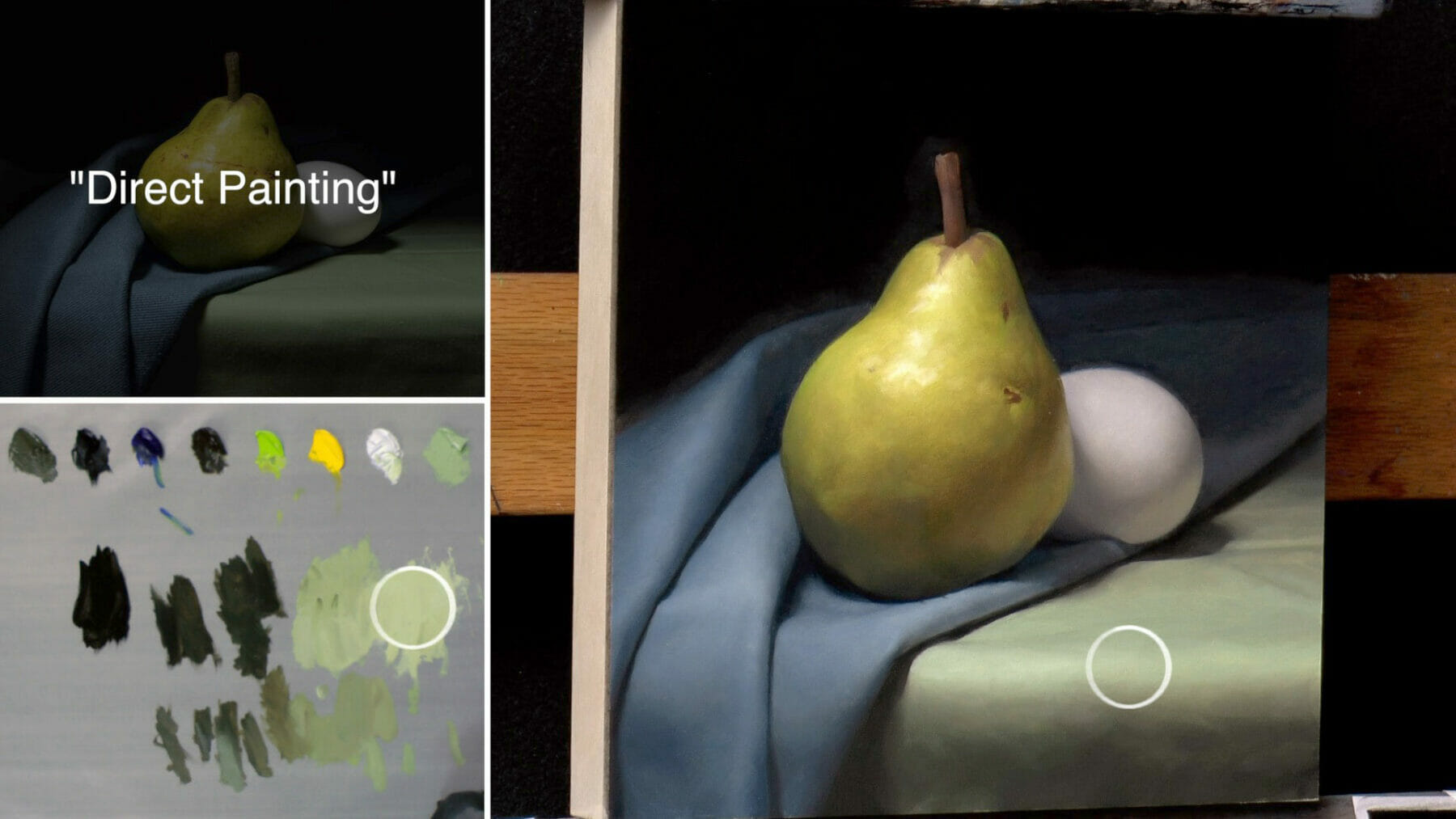
There are lots of different ways to paint. Which approach you choose depends largely on your own stylistic preferences. This lesson explains my approa…

2.1 – Why Oil Paint?

There are several reasons why we prefer oil paint at the studio over other media. This lesson explains why.

1.3 – Setting Up to Paint

There are 2 main differences between painting and drawing with respect to setting up your workspace. 1) Paint is quite a bit messier and harder to co…

2.2 – Facial Structures & Landmarks

The bulk of this course will focus on the muscles and cartilaginous forms of the face. We’ll also start with a plastic skull, so there’s no need t…

3.2 – Temporalis

The temporalis is named for the Temporal bone of the skull on which it sits. Located squarely on the side of the skull. Its primary function is to clo…

3.3 – Buccinator

The word “Buccinator” comes from the Latin word for “trumpeter”, and offers a clear indication of this muscle’s location and action. It’s …

3.4 – Masseter

Masseter is one of the more superficial muscles of the jaw region, and makes a significant contribution to surface form. In fact, when you clench your…

3.11 – The Mouth

In sculpting the mouth, we have to consider both the relevant muscles, and non-muscular structures such as the modiolus on each side and the marginal …

3.10 – The Ear

The ear is a tricky area for a lot of artists because it’s so complex. But an understanding of the major components of the ear and how they’re sha…

3.1 – Frontalis

All muscles have at least two points of attachment: and “origin” and an “insertion”. These are distinguished by the action of the muscle: the …