Lesson 5.8 – Conclusion

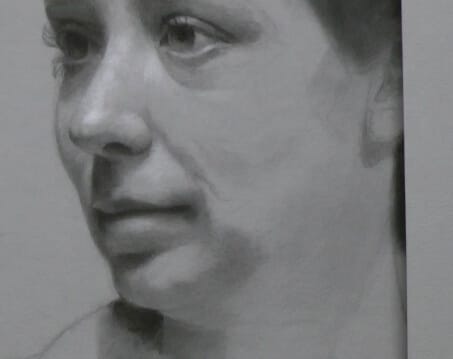
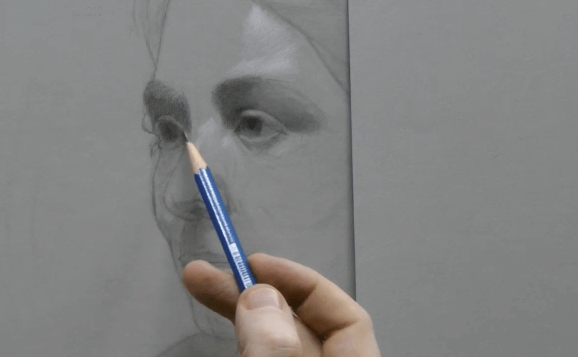
Now that we've wrapped-up the Portrait Drawing experience, I'd like to offer some words of encouragement. You may be happy with the results you have..…

Lesson 5.7 – Refinement and Finish

We're near the end, and yet there's still a lot to do. With structures and values largely in place, it's time to iron-out the kinks and disruptions in…

Lesson 5.6 – Modeling the Hair

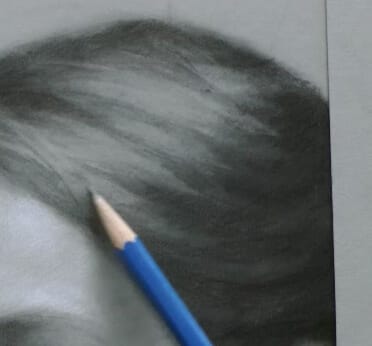
We'll look at drawing hair in this segment. The key here is to treat the hair as form – just like everything else on the portrait. We get into trou…

Lesson 5.5 – Modeling the Ear

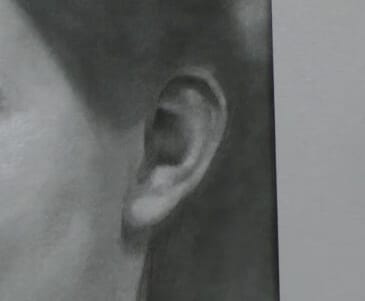
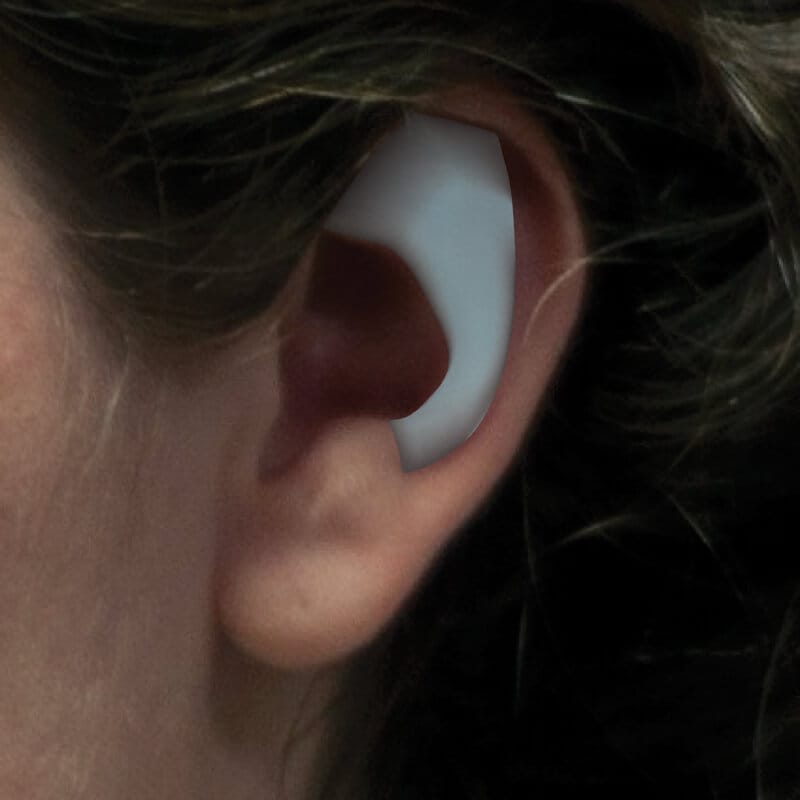
Being on the side of the head, the ear is significantly darker than the rest of the face, and the value range we use there must be similarly darker. …

Lesson 5.3 – Modeling the Mouth

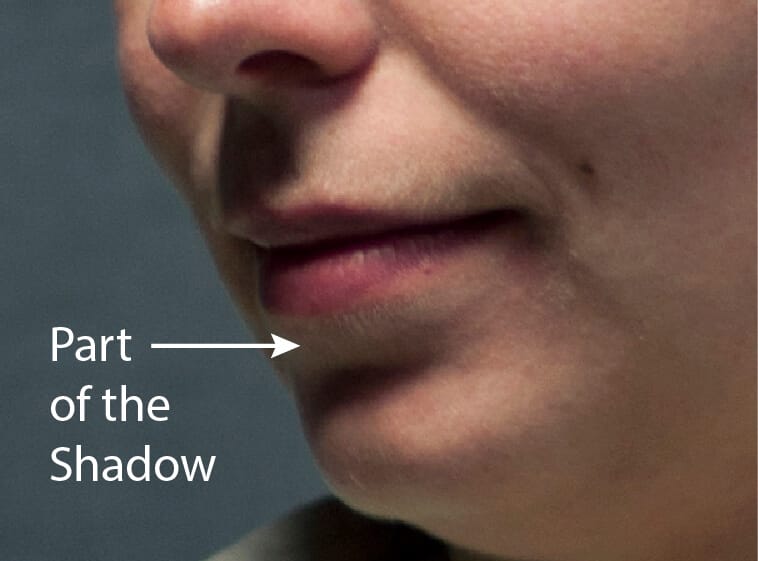
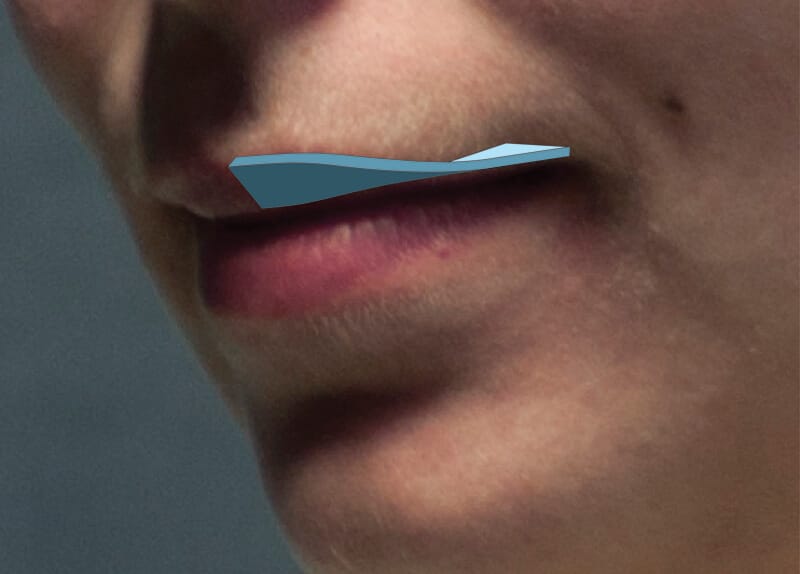
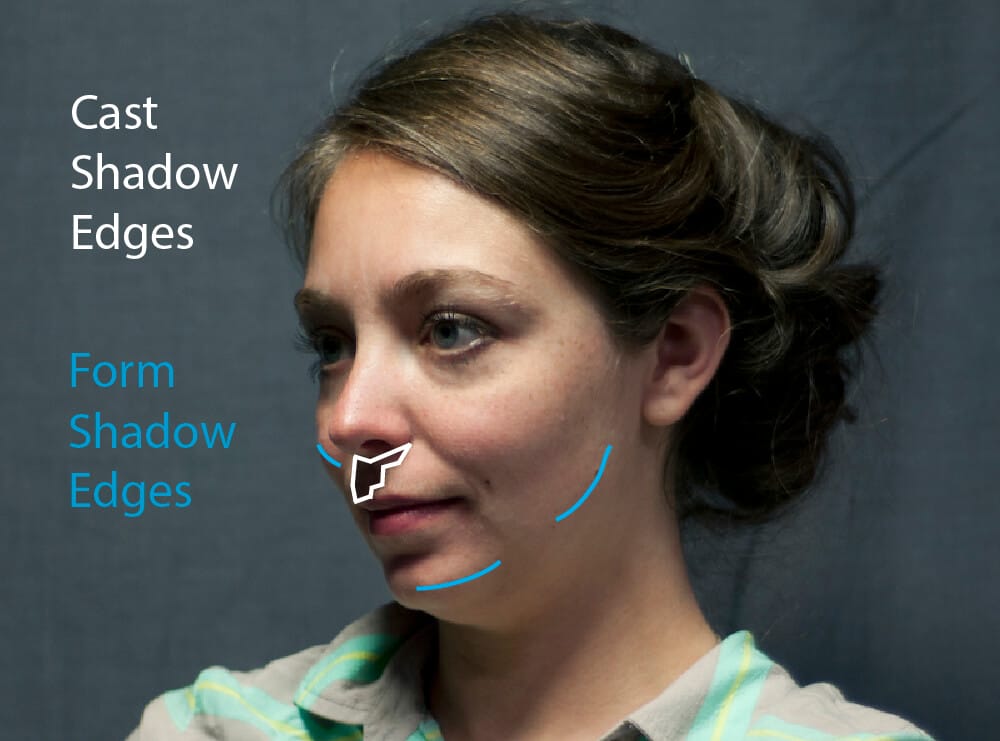
Conventionally, portraits are lit with a single, primary light source. There are two other sources of light, however, that influence what we see: ambi…

Lesson 5.2 – Modeling the Nose

As we continue to develop the sub-forms on the face, it's important to remember the hierarchy of form, understanding that large anatomical structures …

Lesson 4.4 – Deploying the Key

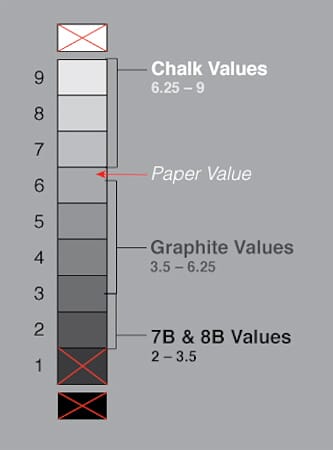
Having keyed the drawing in one area of relatively high contrast, it's time to move throughout the drawing and make similar decisions elsewhere. Other…

Lesson 3.4 – Structuring the Ear

Understanding the discrete structures of the ear can be of great help when drawing the complicated shapes of the ear. In this segment, we'll look at t…

Lesson 3.3 – Structuring the Mouth

Paying careful attention to the structure of the lips is critical to drawing a mouth that feels integrated into the rest of the face. In this lesson w…

Lesson 3.2 – Structuring the Nose

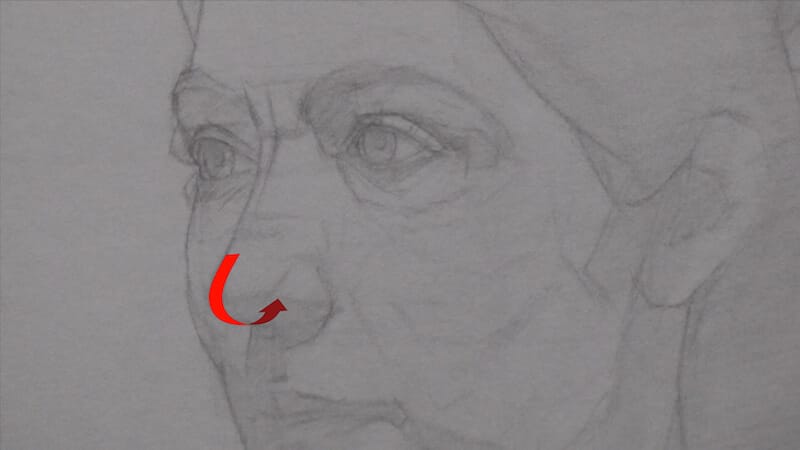
The nose is comprised of 4 basic structures: the nasal bones, the lateral cartilages, the alar cartilages, and the nasal wings. Understanding these fo…

Lesson 3.1 – Structuring the Eyes

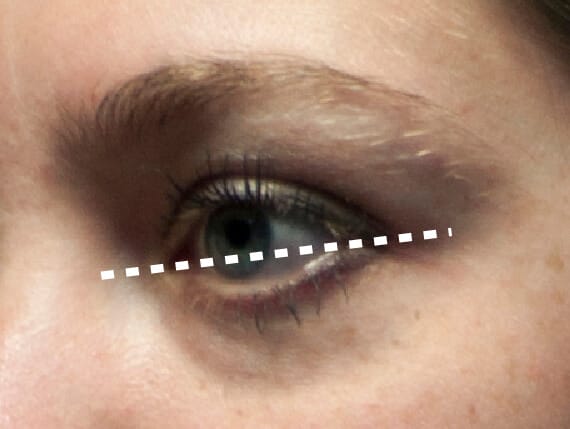
The eyes look the way they do because of the large structures of the eye socket (or orbital cavity), the eyeball and the eyelids stretched ac…

Lesson 2.7 – Shadow Shapes

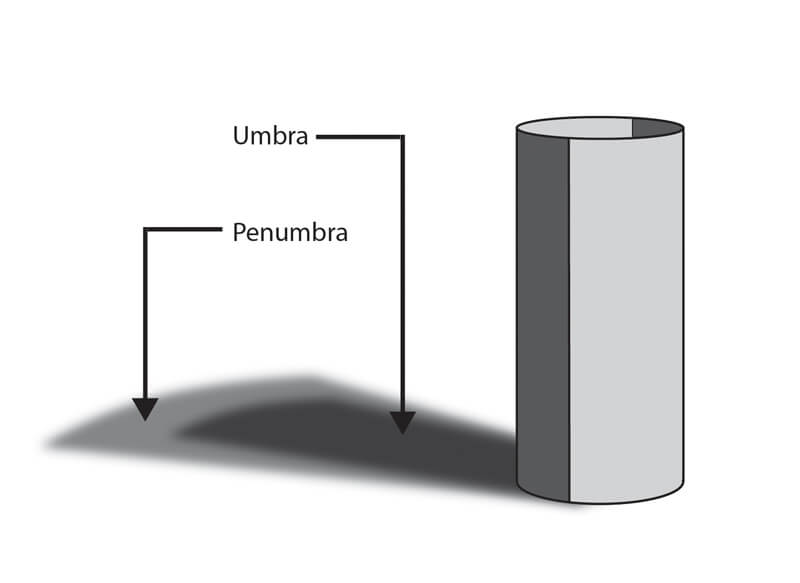
Shadow masses provide additional shapes to “plugin” to the drawing at this stage. Think of them as large puzzle pieces that must “fit” within …

Lesson 2.6 – Checking

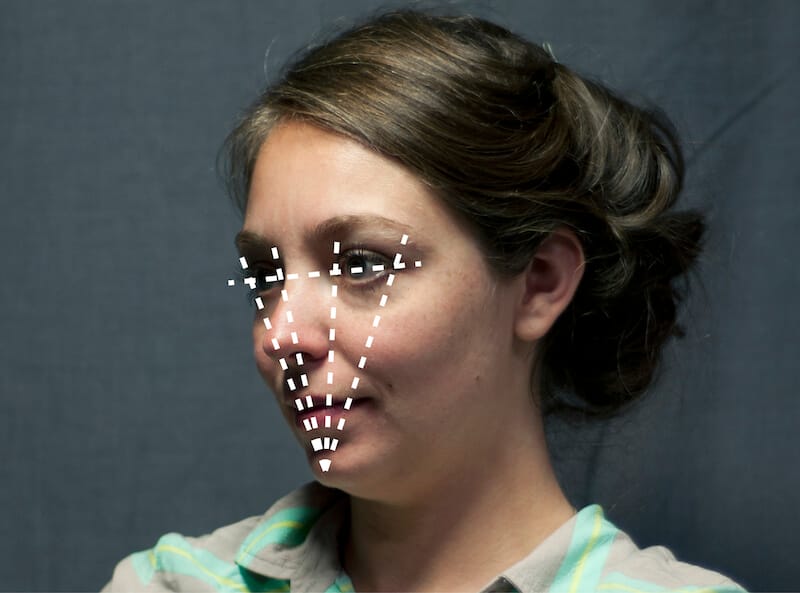
As you complete your block-in, be sure to check the major proportions and positions of the head, face and features before you move on. Review all your…